
 Abed Shatila
The primary market is where you buy a property directly from the developer, and the secondary market is where you buy from an existing owner (a resale). Primary sales are mostly off-plan homes sold with payment plans and no buyer commission. Secondary sales are mostly ready homes you can move into or rent out straight away, usually paid in full or with a mortgage. Neither is better on its own: the right choice depends on your goal, your budget and when you need the property.
In this article, I cover:
- What the primary market is
- What the secondary market is
- Primary vs secondary at a glance
- The costs on each side
- Which market suits your goal?
- How to choose between them
What the primary market is
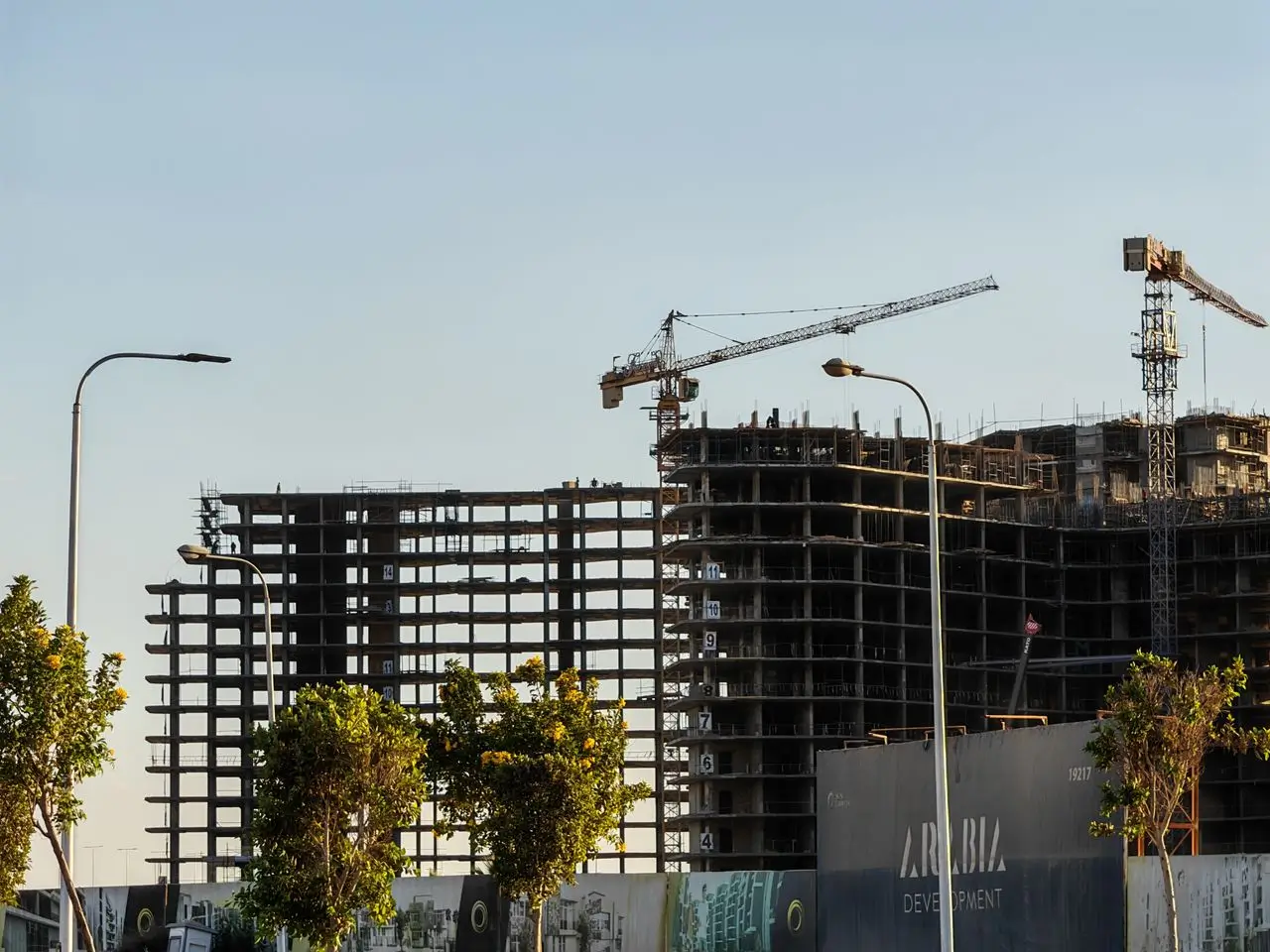
The primary market is every sale made by a developer to its first buyer. In Dubai, that usually means off-plan: a home that is launched, sold and paid for while it is still being built. It also includes completed units a developer still has in stock after handover.
When you buy in the primary market, you sign a Sale and Purchase Agreement (SPA) with the developer, pay in stages under a payment plan, and your money goes into a regulated escrow account for that project. If you want the full step-by-step, my guide on what off-plan property is walks through it.
The primary market is the bigger of the two in Dubai today. In Q3 2026, developer sales made up 25,441 of the city's 37,450 property transactions, around 68%, according to Dubai Land Department data compiled by DXB Interact.
Why buyers choose primary
- Launch pricing. Early phases are priced to sell, and buyers who enter at an EOI or launch stage often get the best units and prices.
- Payment plans. You can spread payments over the construction period, usually interest-free.
- A brand-new home with modern layouts, new amenities and a developer warranty.
- No buyer commission in most cases, because the developer pays the agency fee.
What the secondary market is
The secondary market is every sale between an existing owner and a new buyer. Most secondary sales are ready homes: finished apartments, townhouses and villas in established communities. It also includes off-plan units resold before handover, which is called an assignment.
When you buy in the secondary market, you agree a price with the seller, sign a Memorandum of Understanding (Form F), obtain a No Objection Certificate from the developer, and complete the transfer at a Dubai Land Department trustee office. The whole process often takes around 30 days for a cash purchase.
In Q3 2026, the secondary market recorded 12,009 sales, about 32% of all transactions. It was also the stronger part of the market that quarter: resale deals rose almost 25% compared with Q2.
Why buyers choose secondary
- Move in or rent out now. There is no wait for construction.
- What you see is what you get. You can inspect the actual home, the building and the community.
- Real data. You can see what similar homes have sold and rented for, so the numbers are easier to check.
- Easier financing. Banks lend more readily on completed property.
Primary vs secondary at a glance
| Primary (developer) | Secondary (resale) | |
|---|---|---|
| Who you buy from | The developer | An existing owner |
| Typical property | Off-plan, sometimes ready stock | Ready, sometimes off-plan resale |
| How you pay | Payment plan in stages | In full at transfer, or with a mortgage |
| Rental income | After handover | From day one |
| Buyer commission | Usually none | Commonly 2% + VAT |
| Price negotiation | Limited, set price lists | Often possible |
| Median price per sq ft, Q3 2026 | AED 1,717 | AED 1,493 |
The price per square foot gap is worth a closer look. New projects tend to sit in newer buildings with newer amenities, and many are in high-demand launches, so primary prices per square foot are often higher than resale in the same city. That does not make primary more expensive in every case, but it is a reason to compare like for like: the same area, size and building quality.
The costs on each side
Both markets share the main government fee: a 4% transfer fee to the Dubai Land Department, plus smaller registration fees. After that, the costs differ.
Primary market costs
- 4% DLD fee, usually paid early, when the sale is registered (Oqood).
- An Oqood registration fee set by the developer and DLD.
- Usually no agency commission for the buyer.
- Service charges only start once the building is handed over.
Secondary market costs
- 4% DLD fee at transfer, plus the trustee office fee.
- Agency commission, commonly 2% plus VAT.
- Mortgage registration and bank fees if you finance.
- Service charges from the day you own the home.
On a resale purchase, budget roughly 6% to 7% on top of the price. On a primary purchase, it is often closer to 4% to 5%, spread over time.
Which market suits your goal?
Capital appreciation
The primary market usually fits best. You enter at launch prices, pay only part of the price during construction, and benefit from any growth in value by handover. Developer track record and the supply around the project matter most here.
Rental income
The secondary market usually fits best. Rent starts straight away, and you can check real rents and service charges in the building before you buy, which makes the yield easier to predict.
Golden Visa
Both can work. A property worth AED 2 million or more can qualify you for the 10-year UAE Golden Visa, whether it is bought from a developer or a private seller. Check the current requirements before you commit.
Living in it
If you need a home now, the secondary market is the practical choice. If you can rent for two to four years while a new home is built, the primary market can get you a newer property for the same budget, paid in stages.
How to choose between them
Start with three questions: what do you want the property to do for you, how much cash can you commit and when, and when do you need the keys? Your answers usually point clearly to one market.
Questions to ask in each market
- Primary: What is the developer's delivery record? How much of the price is due before handover? What does the resale clause say if you want to sell early?
- Secondary: What have similar units in the building sold and rented for recently? Are there unpaid service charges? What condition is the home in, and what will it cost to refresh?
Many investors use both over time: a primary purchase for growth, and a secondary purchase for steady income. Working with the best real estate agent in Dubai for your goals means getting honest advice on both markets, not only the one that pays the highest commission.
For a deeper framework, download my free guide, Deciding How to Invest in Dubai. It covers off-plan vs ready, location, timing and developer checks in one place.

Written by Abed Shatila
Dubai real estate advisor specialising in off-plan investment, relocation and Golden Visa property for international clients. More about me →